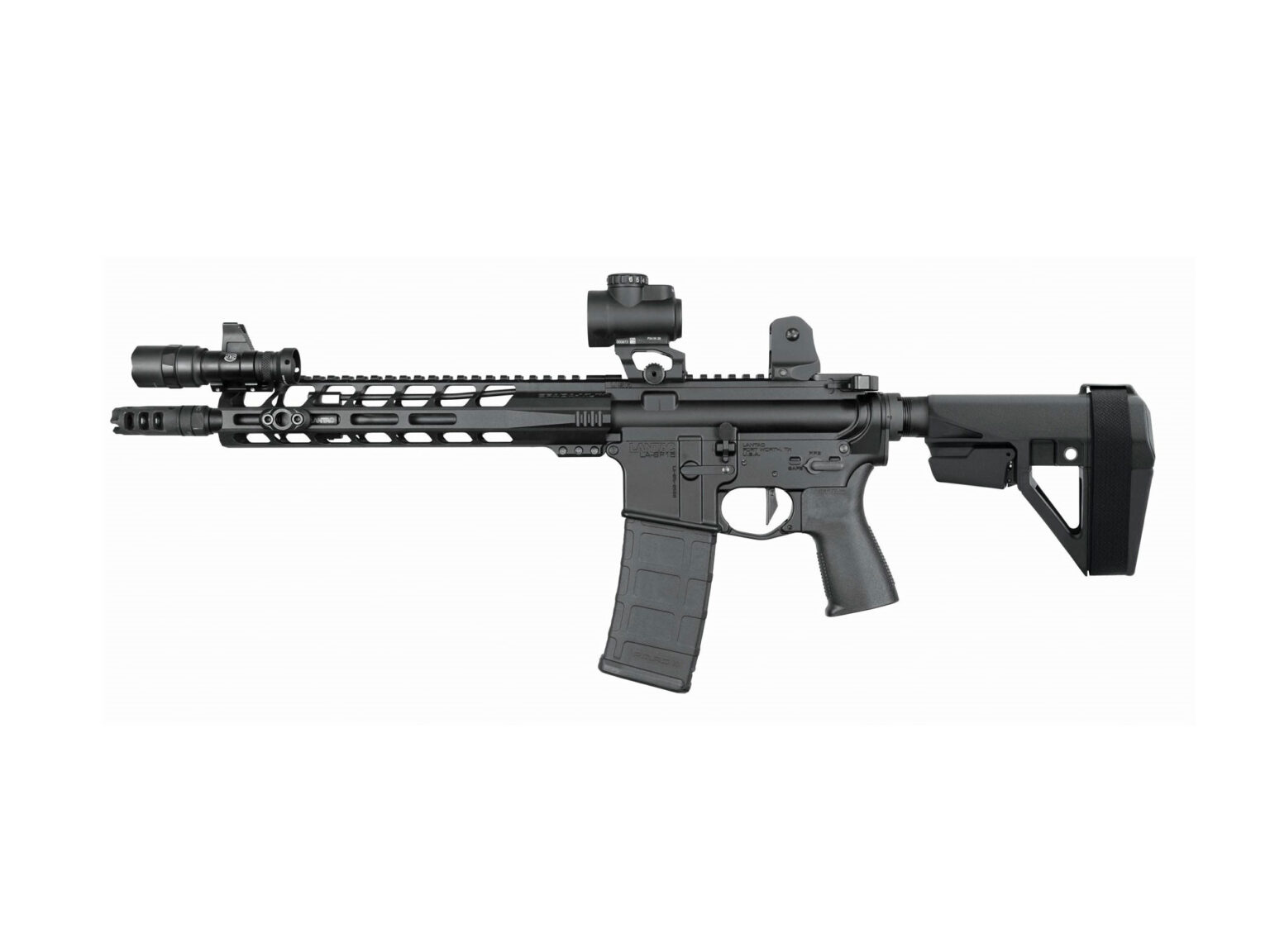
What in the Pistol Brace Is Going On?
What in the Pistol Brace Is Going On?
Pistol braces are back in the spotlight—and with that comes the big question: Are they legal, or am I risking becoming a felon? Let’s break it down in a straightforward way.
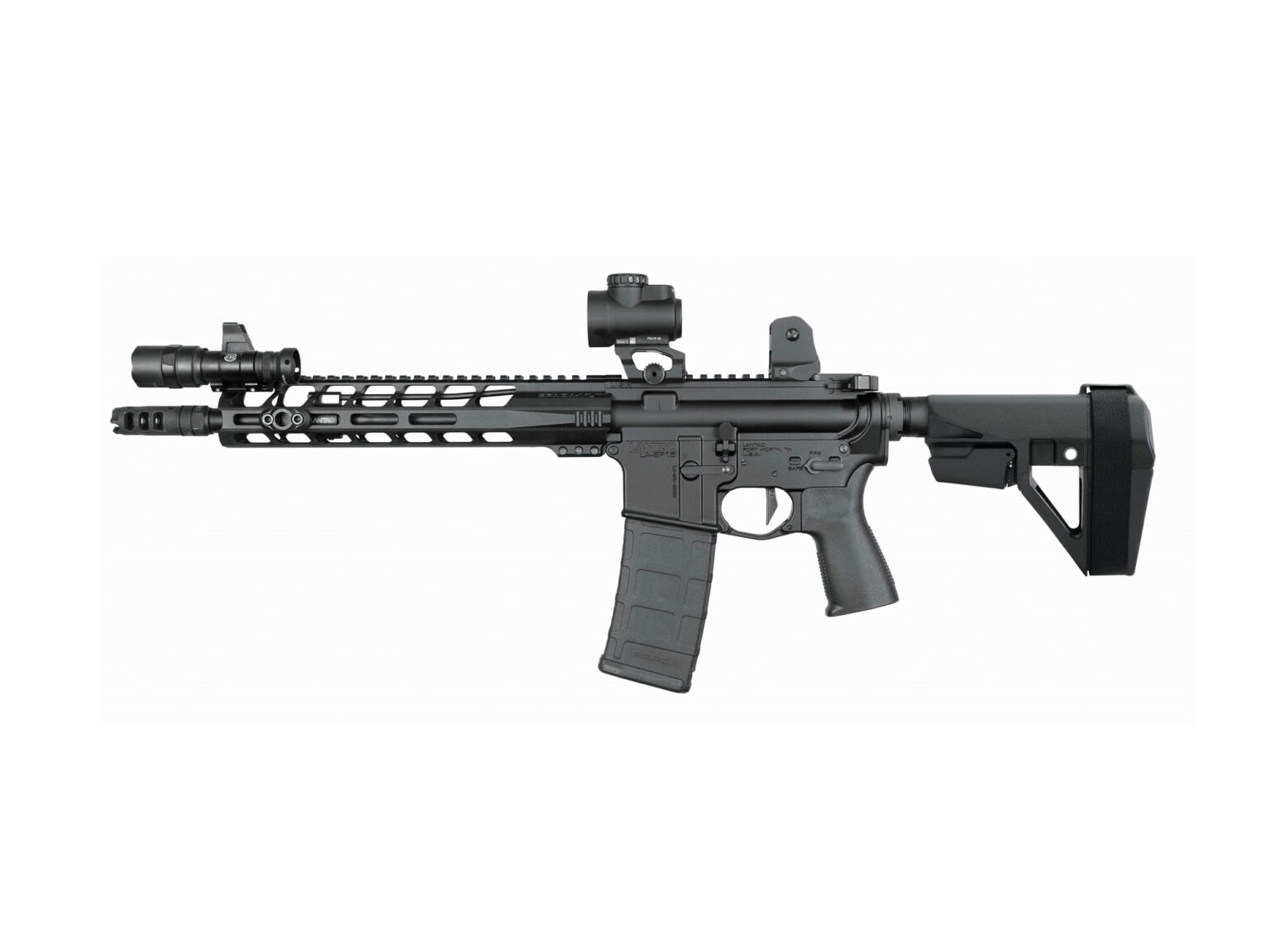
There’s been a flood of information (and misinformation) circulating about pistol braces lately, and it’s left a lot of people confused. So here’s the simple version:
Pistol braces are legal—when used as intended.
These devices were originally designed to help shooters, particularly those with disabilities, stabilize a firearm while shooting one-handed. That intended use is key when it comes to legality.
Where things start to get complicated is with how the brace is used.
Right now, much of the concern revolves around intent. Based on current guidance, if a pistol brace is used like a stock—specifically, if it’s shouldered—the ATF may interpret that as intent to use the firearm as a rifle. That interpretation could potentially create legal issues under federal law.
In short:
Using a pistol brace as designed → generally considered legal
Using it as a stock (shouldering it) → could introduce legal risk
That “intent” factor is the gray area that continues to cause confusion for many firearm owners.
Our Advice
We always recommend using products as they were designed. It’s the most reliable way to avoid unnecessary complications and stay on the right side of current regulations.
If your goal is to run a stock on your firearm, there is a proper legal route to do so. We can help guide you through that process and handle the paperwork to make it as smooth as possible.
A Realistic Perspective
We understand that not everyone sees eye-to-eye with how these rules are written or applied. That said, our priority is making sure our customers stay protected, informed, and out of trouble.
At the end of the day, it’s about protecting your rights by staying compliant with the laws as they currently stand—while the larger conversations continue to play out elsewhere.
Disclaimer
This content is for informational purposes only and should not be considered legal advice. We are not attorneys. Laws and regulations can change, and individual circumstances may vary. For specific legal guidance, we strongly recommend consulting with a qualified firearms attorney or legal professional.
